Alternatives to Iron Security Bars for Windows

Table of Contents
- Why Homeowners Are Moving Away From Iron Security Bars
- Security Screens vs. Window Bars: Which Protects Better?
- How to Secure Windows Without Bars: Six Working Options
- Do Security Screens Block Natural Light?
- Window Security Screen Cost and Lifespan by Option
- Emergency Egress and Fire Safety: What Every Option Must Allow
- Choosing by Window Type, Threat, and HOA Rules
- Conclusion
- Frequently Asked Questions
Last Updated: October 15, 2026
Why Homeowners Are Moving Away From Iron Security Bars
Walk down any older residential street and you will spot them: heavy iron bars bolted over windows, installed when security meant visible deterrence above all else. Today, many homeowners are searching for alternatives to iron security bars for windows, and the reasons go beyond appearance.
At Best Custom Screens, we build custom window screens and door screens for homeowners nationwide, and security is one of the most common reasons customers contact us. This guide compares working options, from security screens and film to locks and sensors, so you can match the right product to your window type, threat level, and budget.
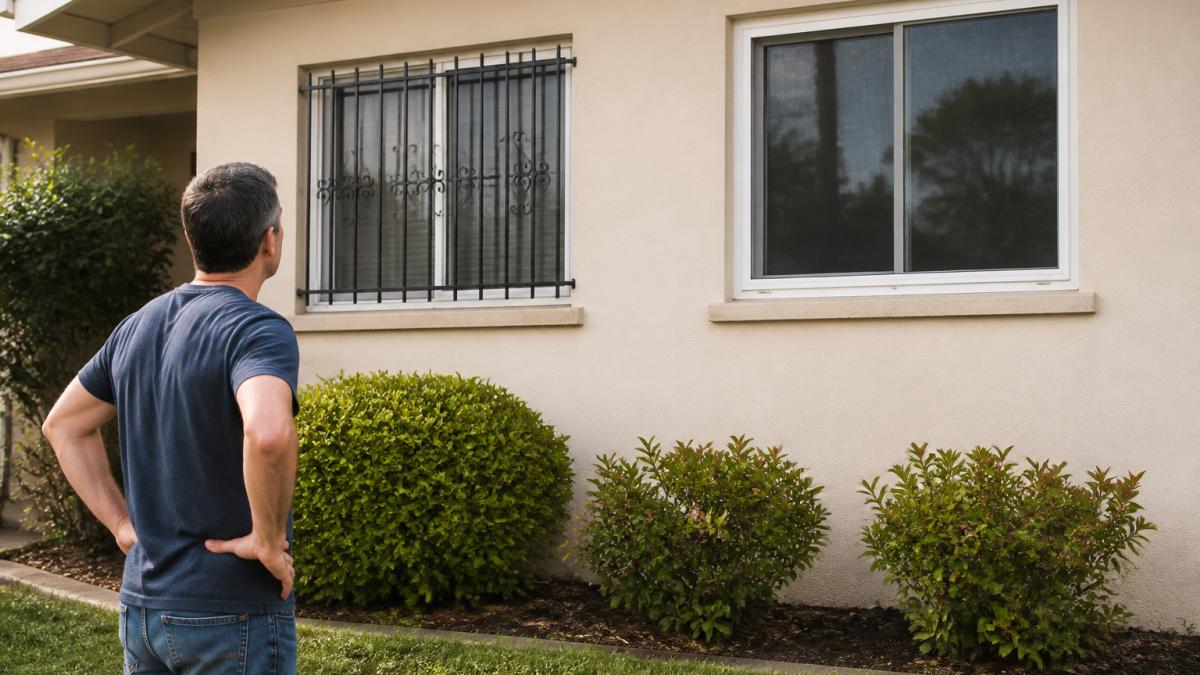
Security Screens vs. Window Bars: Which Protects Better?
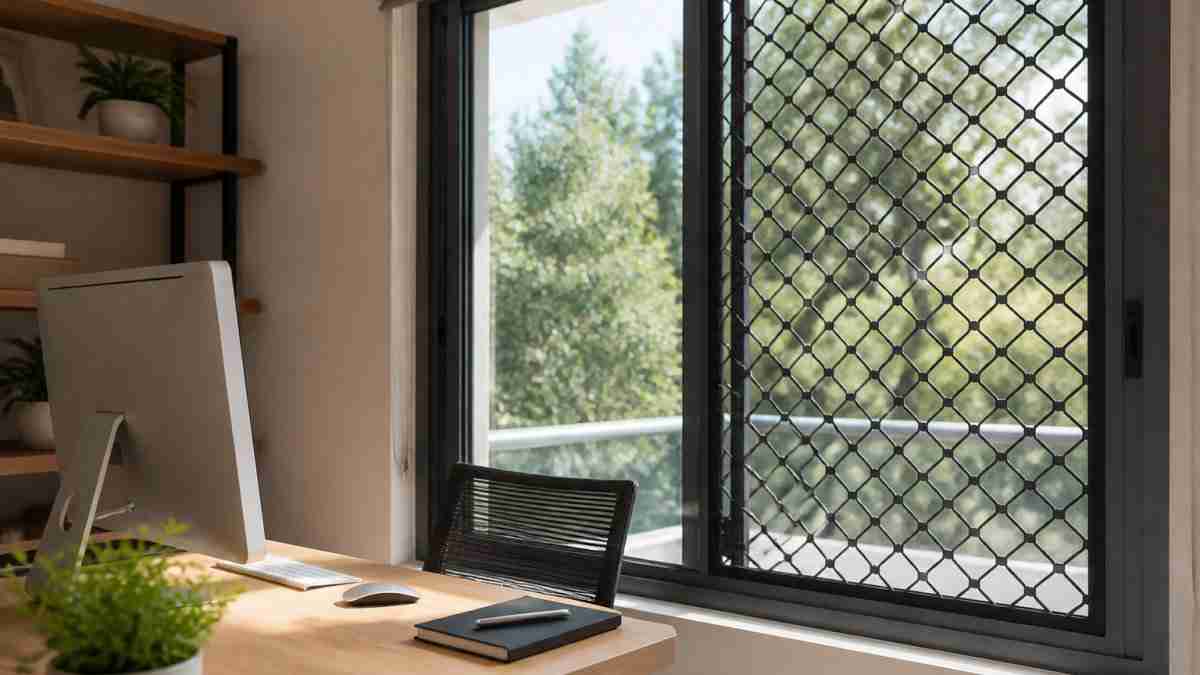
Security screens match or beat traditional window bars on strength while solving the problems bars create. A security screen is a framed panel built with high-tensile stainless steel or aluminum mesh, mounted over the window opening, that resists cutting, prying, and forced entry without blocking your view. Industry comparisons note that quality security screens can be as strong as, or stronger than, conventional window bars security screen vs. window bar comparison.
The trade-offs break down clearly:
- Visibility: Bars frame your view in steel. Security mesh is see-through from both sides.
- Egress: A fixed bar grate has no release. Many security screens offer quick-release hardware.
- Appearance: Bars read as institutional. Screens read as a finished window.
- Airflow: Both allow ventilation, but mesh also keeps insects out, which bars never do.
- Resale: Removable or low-profile screens are far less likely to hurt curb appeal.
The strongest security upgrade is one you will actually keep installed. If a product makes a room dark or feels oppressive, homeowners often remove it, and a removed bar protects nothing.
How to Secure Windows Without Bars: Six Working Options
Securing windows without bars comes down to layering the right products for your threat level. Here are six options that work in practice.
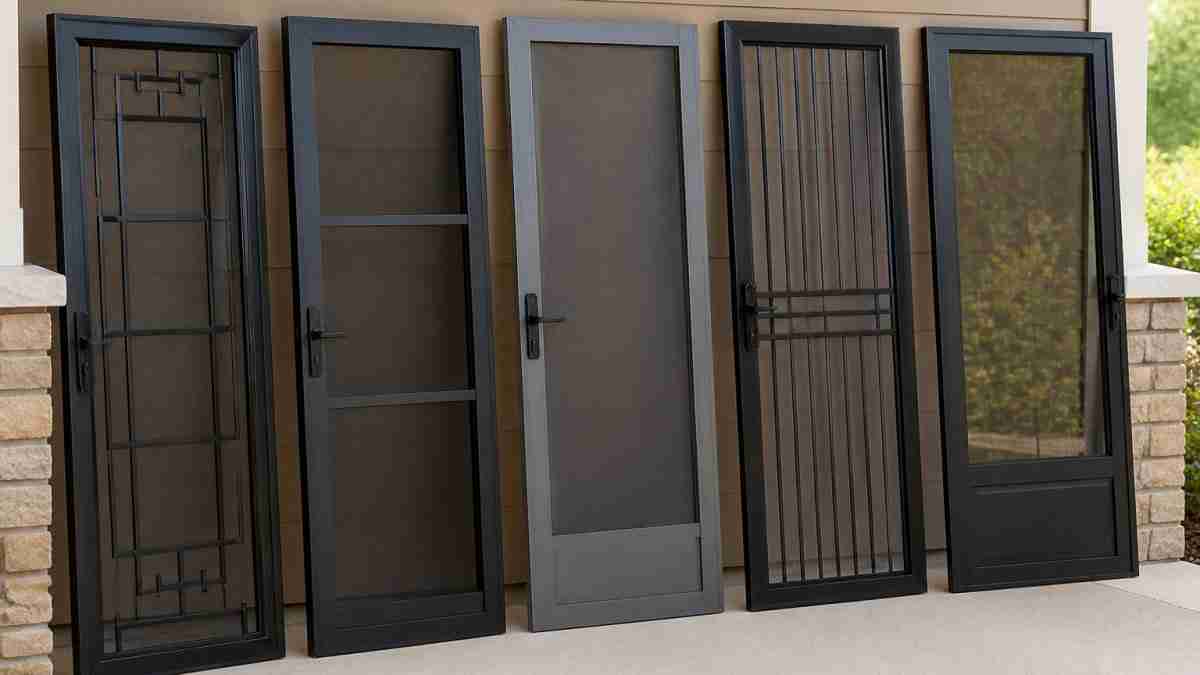
- Security screens (stainless steel or aluminum mesh): the closest like-for-like replacement for bars.
- Polycarbonate panels: transparent, strong sheets that preserve the view.
- Security film: a clear laminate applied to existing glass to hold it together on impact.
- Window locks and track stoppers: hardware that stops the sash or slider from opening.
- Glass break sensors and alarms: detection that triggers when glass shatters.
- Security grilles and trellis-style barriers: decorative metalwork that can retract or fold away.
Security Film and Polycarbonate Panels: What They Actually Stop
Security film and polycarbonate panels delay entry rather than prevent it, and understanding that limit matters. Security film is a thick, clear laminate bonded to the inside of existing glass. When something strikes the pane, the film holds the shattered glass in its frame, so a burglar cannot simply knock out a hole and reach through.
Polycarbonate panels go further. Polycarbonate is a transparent plastic many times tougher than glass of the same thickness, and it can be mounted over or in place of a window pane, preserving visibility far better than bars. The catch is that verified specifications are thin, so treat performance claims as product-specific and ask the manufacturer for impact ratings before you buy.
A common mistake is treating security film as a complete barrier. Film holds glass together, but an unreinforced frame can still be pried open. Pair film with upgraded locks or a security screen for real resistance.
Window Locks, Track Stoppers, and Sensors
Locks, track stoppers, and sensors are the cheapest layer, and they close gaps that bigger products miss. Window locks secure the sash or frame so the window cannot slide or lift open. Track stoppers are small blocks or pins in the slider track that stop the panel from moving past a set point, useful for partially open windows that still need airflow. Glass break sensors detect the sound or vibration of shattering glass and trigger an alarm, often tied into a broader home security system.
These products rarely stop a forced entry on their own. What they do well is eliminate the easy openings intruders check first and add detection when something goes wrong. For a renter or a tight budget, they are the sensible starting point.
Do Security Screens Block Natural Light?
Security screens do not meaningfully block natural light. A quality security mesh is a fine grid, and from a normal viewing distance your eye blends the grid lines together, so the window still reads as bright and open. The mesh cuts a small amount of light and can slightly soften the view, but nothing like the hard shadows cast by iron bars.
Two factors change how much light you lose:
- Mesh density: Standard insect mesh is more open than heavy-duty security mesh. Denser mesh means slightly less light and a slightly darker room.
- Mesh color: Dark mesh (black or charcoal) tends to disappear against the view and reads as less obtrusive than bright metal.
For homeowners who want the security of bars without the cave feeling, this is the biggest reason security screens win: you keep daylight, airflow, and an unobstructed view, plus a physical barrier over the opening.
Window Security Screen Cost and Lifespan by Option
Cost and lifespan are where most window security comparisons fall apart, because products are sold through different channels and priced differently. Custom-fabricated security screens, polycarbonate panels, and retractable grilles are almost always quote-based, since price depends on window dimensions, mesh or panel type, frame finish, and mounting method.
| Option | Typical Cost Basis | Lifespan | Maintenance | Best For |
|---|---|---|---|---|
| Security screens | Quote-based; scales with window size and mesh grade | 10-20+ years with quality stainless mesh | Rinse mesh, check release hardware annually | Most homes wanting bars-level security |
| Polycarbonate panels | Quote-based; scales with thickness and mounting | 10-15 years before UV haze | Clean with non-abrasive cleaner; inspect mounting | Preserving the view |
| Security film | Per square foot of glass; DIY kits or pro install | 5-10 years before edge lift | Avoid ammonia cleaners; watch edges | Adding resistance to existing glass |
| Locks and track stoppers | Low fixed retail per unit | 5-15 years depending on hardware | Lubricate moving parts; check screws | Renters and tight budgets |
| Glass break sensors | Per sensor plus hub or panel | 5-10 years (battery dependent) | Replace batteries; test monthly | Layering with other products |
| Retractable grilles | Quote-based; scales with opening width | 10-15 years with quality track | Clean tracks; lubricate rollers | Doors and openings used daily |
A few patterns hold across the market. Custom screens cost more up front than DIY bars but last far longer and need no repainting or rust treatment. Film is the cheapest per window to add resistance to glass you already own, but it is a consumable: edges lift, the laminate yellows under strong sun, and it eventually needs replacing.
For a current price on a custom security screen built to your exact window dimensions, submit a request for a quote rather than relying on a generic figure.
Emergency Egress and Fire Safety: What Every Option Must Allow
Emergency egress is the requirement most homeowners overlook, and it is the one that can save a life. Building and fire codes generally require that a bedroom window can be opened from the inside without a key, tool, or special knowledge, so occupants have a way out during a fire. Fixed iron bars with no release violate that rule and have contributed to fire deaths.
Any security product you install should meet one test: can you get out fast, from the inside, in the dark, without searching for a key?
- Security screens: choose a model with quick-release hardware so the panel swings or lifts free from inside.
- Retractable grilles: confirm they open freely from the interior.
- Fixed grilles and bars: avoid them on bedroom windows unless they carry an approved interior release.
- Film and locks: these do not block egress, but make sure a locked window can still be opened from inside.
Test your egress once a year. Open the release, time how long it takes, and check that nothing (furniture, paint, rust) has seized the mechanism. A release that worked at installation can freeze solid within a couple of seasons.
Choosing by Window Type, Threat, and HOA Rules
The right choice depends on three things: your window type, your actual threat, and any HOA restrictions.
Match the product to the window type.
- Sliding windows and patio sliders: the sash moves horizontally in a track, so track stoppers and locks work directly. A security screen or retractable grille mounted over the opening adds a physical barrier without blocking the slider’s travel.
- Casement and awning windows: these crank outward on a hinge, so track hardware does not apply. A security screen or film is the practical fit, since there is no sliding track to block.
- Double-hung windows: the sash moves vertically. Sash locks and vent locks secure the upper and lower sashes, and a screen or film covers the glass.
- Ground-floor and basement windows: these are the most common entry points, so they justify the strongest layer, typically a security screen or polycarbonate panel plus a sensor.
- Rental units: avoid anything that requires drilling into the frame or exterior. Locks, track stoppers, and portable sensors are removable and reversible.
- Heritage or historic-district windows: exterior metalwork is often restricted, so film, interior-mounted screens, and upgraded locks are the options that survive review.
Match the product to the threat. Smash-and-grab burglary is fast and opportunistic: the intruder breaks glass, reaches in, and grabs what is near the window.
Know when to call a professional. Locks, track stoppers, and sensors are reasonable DIY installs.
Check HOA rules before ordering. Many covenants restrict exterior metalwork, and fixed bars are the most commonly prohibited. Retractable grilles and low-profile screens are easier to approve because they read as finished window trim rather than security hardware.
This is where custom sizing pays off. Big-box screens come in standard sizes that fit loosely and rattle, weakening both security and pest control. Custom-made screens built to your exact opening sit tight, look intentional, and hold up.
Conclusion
Choosing window security without bars means weighing protection against egress, daylight, and appearance, and no single product wins on every count. The right answer is usually a layer: a security screen where you want real resistance. Best Custom Screens builds custom security screens to your exact window dimensions, with heavy-duty all-metal construction and quick-release options that keep emergency egress clear. Our fully assembled screens ship nationwide and install without special tools. Submit a request for a quote and secure your windows without giving up your view.
Frequently Asked Questions
Are security screens as effective as window bars?
Security screens made from high-tensile stainless steel or aluminum can be as strong as, or stronger than, traditional window bars, according to industry comparisons. The key difference is that a properly specified security screen covers the entire window opening, while bars leave gaps between the rods. Screens also let you keep the window open for airflow without creating an entry point, which bars alone do not do.
How much does it cost to put security bars on windows?
Security screens are priced by window size and material, so request a quote based on your actual window dimensions rather than comparing against a generic figure.
Do security screens block natural light?
No. Security screens use a fine mesh or grille pattern that lets most daylight through. A dark-colored mesh will slightly reduce brightness compared with clear glass, but the effect is far smaller than opaque bars or solid panels. If light and visibility matter most, choose a lighter mesh color and a grid pattern with wider spacing.
Can security bars or screens be opened quickly from the inside?
Fixed bars cannot be opened, which is why many building codes require a quick-release mechanism on bedroom windows. Quick-release security screens and hinged grilles use an interior latch that opens without a key or special tool. Check your local fire code and confirm the release works from inside before you buy, and test it every few months.
What is the difference between security screens and regular window screens?
A regular window screen uses lightweight fiberglass or aluminum mesh held in a standard frame. It keeps insects out but offers almost no forced-entry resistance. A security screen uses high-tensile stainless steel mesh or heavy aluminum in a reinforced frame, mounted with tamper-resistant fasteners. The frame, mesh gauge, and mounting method are what separate a security product from a bug screen.