Are Solar Screens Worth It in Los Angeles?

Last Updated: October 24, 2026
Quick Summary
Yes, solar screens are worth it in Los Angeles for most homeowners, especially those with west- and south-facing windows that take the brunt of afternoon sun. They block heat and glare before it reaches the glass, so your air conditioner runs less during peak hours.
- Solar screens sit outside the window and block sun before it passes through the glass.
- Custom-fit screens seal openings properly, while loose generic screens let sun and hot air through.
- A lower openness factor blocks more heat but lets in less light and airflow.
- Skip solar screens on mostly shaded north-facing windows or if you prioritize maximum daylight.
- Energy savings are real but variable, so be skeptical of fixed savings percentages.
Table of Contents
- The Verdict: Are Solar Screens Worth It in Los Angeles?
- How Solar Screens Cut Heat in a Los Angeles Home
- What Solar Window Screens Cost and What Drives the Price
- Solar Screens vs Window Film: Which Fits Your Windows?
- Picking the Right Solar Screen Openness Factor
- Solar Screens and Energy Savings: What to Realistically Expect
- Pros, Cons, and Who Should Skip Them
- Request a Custom Solar Screen Quote for Your Home
- Frequently Asked Questions
The Verdict: Are Solar Screens Worth It in Los Angeles?
Yes, solar screens are worth it in Los Angeles for most homeowners, especially those with west- and south-facing windows that take the brunt of afternoon sun. The core question, are solar screens worth it in Los Angeles, comes down to a simple tradeoff: you spend money once on exterior screens that cut heat and glare before they reach the glass, instead of paying month after month to cool a house that’s fighting the sun.
At Best Custom Screens, we provide high-quality, custom-made window screens designed to enhance your home’s comfort and security. The honest answer is that they pay off fastest on hot, exposed windows and make less sense on shaded north-facing glass. Below, we’ll break down how they work, what drives the price, how they compare to window film, and who should skip them entirely.
How Solar Screens Cut Heat in a Los Angeles Home
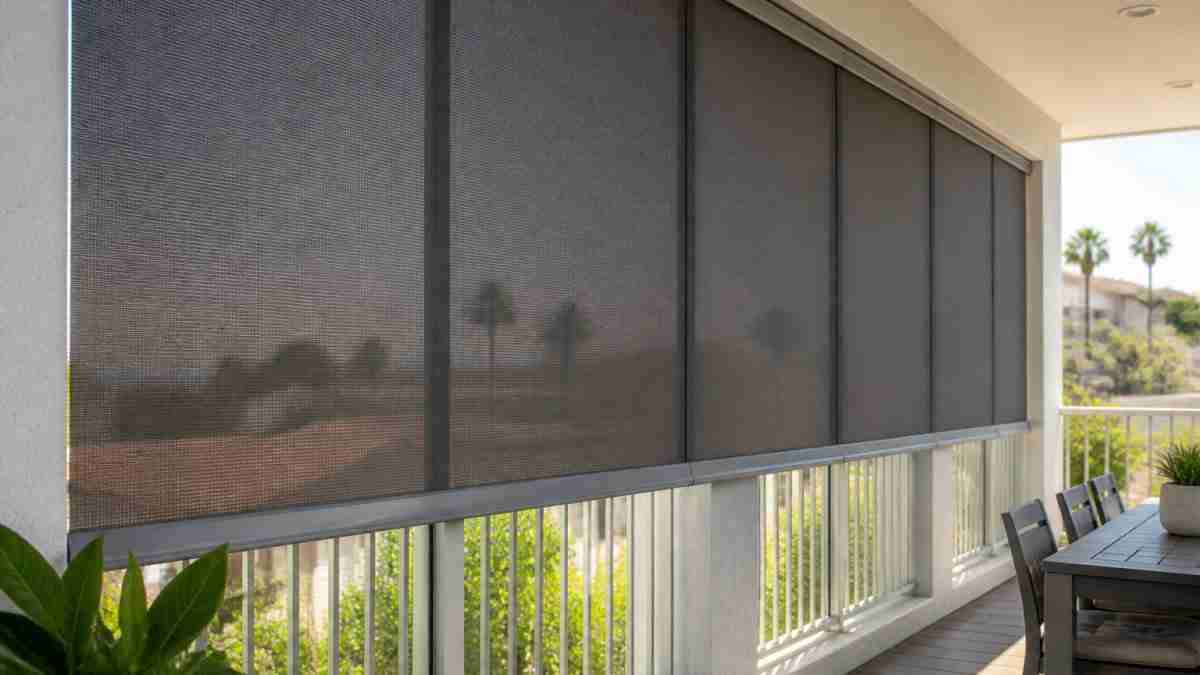
Solar screens work by blocking sunlight before it passes through the glass. The mesh sits on the outside of the window, so heat that would otherwise stream into the room and warm your furniture, floors, and air gets intercepted outdoors. That’s the whole trick, and it’s why exterior screens outperform anything mounted inside.
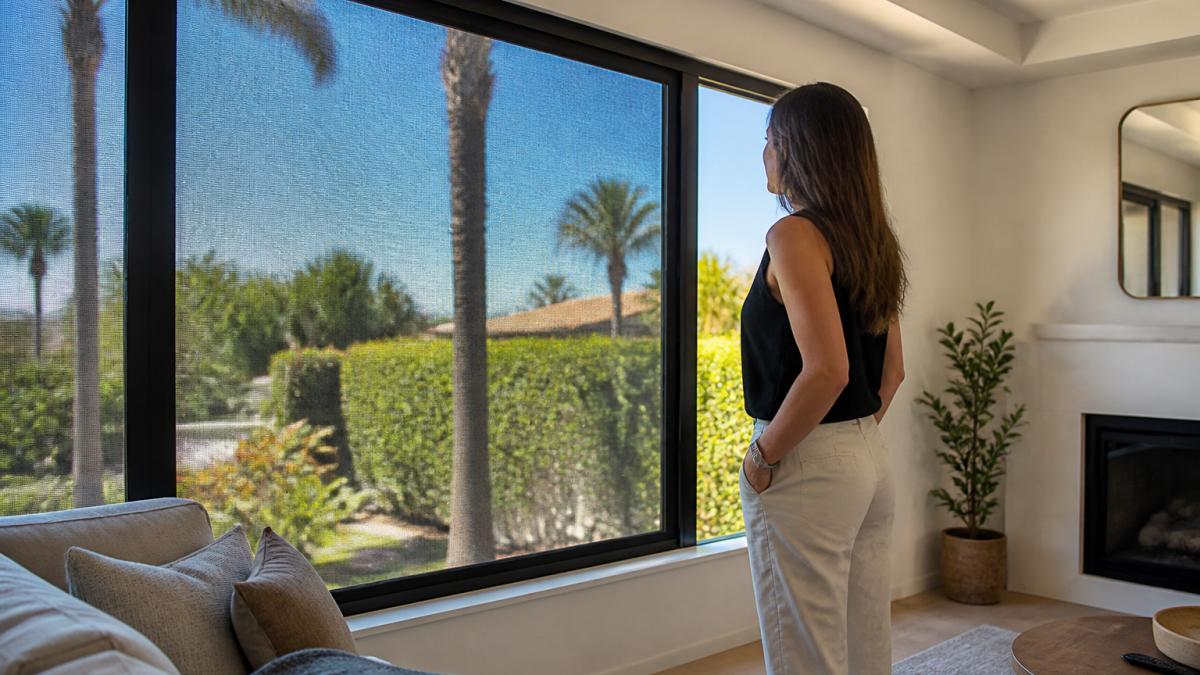
The difference matters most on west-facing walls, where the late-afternoon sun hits hardest during the hottest part of the day. For a regional deep-dive, read Beat The San Fernando Valley Heat: A Guide To Solar Window Screens. By stopping radiant heat at the glass, the room stays cooler and your air conditioner doesn’t have to work as hard.
What Solar Window Screens Cost and What Drives the Price
Custom solar window screens cost more than off-the-shelf screens, and the gap comes from fit and materials rather than markup. A screen made to your exact window dimensions seals the opening properly, which is what actually blocks heat. A loose, generic screen leaves gaps where sun and hot air sneak through.
Several factors move the price up or down:
- Window size and count: more and larger windows mean more material and labor.
- Mesh type and openness: denser weaves block more heat but cost more.
- Frame construction: heavy-duty, all-metal frames cost more than flimsy big-box frames but last longer.
- Custom sizing: odd or older window openings require precise measurement and fabrication.
We don’t publish fixed prices because every home is different, but we’ll give you an exact quote once we know your window sizes. For concrete pricing context to judge quotes, see our window screen costs pricing guide.
Solar Screens vs Window Film: Which Fits Your Windows?
Solar screens and window film both reduce heat, but they work in different ways and suit different situations. Window film is a thin tinted layer applied directly to the glass; it blocks some heat and UV but can darken the room and is difficult to remove cleanly. Solar screens sit outside the window, block heat before it reaches the glass, and can be taken down or swapped seasonally.
| Feature | Solar Screens | Window Film |
|---|---|---|
| Placement | Exterior, over the window | Applied to glass |
| Heat blocking | Blocks sun before it hits glass | Reduces heat after it passes glass |
| Reversible | Yes, removable | No, permanent once applied |
| Airflow | Keeps windows openable | No effect on airflow |
| Best for | Hot, sun-exposed windows | Glare and UV on fixed glass |
If you’re weighing the two, our head-to-head on solar window film vs solar screens goes deeper. In practice, screens win for homeowners who want heat control without losing the ability to open a window.
Picking the Right Solar Screen Openness Factor
The openness factor is the percentage of open space in the screen mesh. A lower openness factor means a denser weave that blocks more sun and heat but lets in less light and airflow; a higher factor lets in more breeze and daylight but blocks less heat. Choosing the right one is where most buyers get stuck.
For harsh west-facing windows in a hot climate, a denser weave is usually the better call. For windows you want to keep open for airflow, a more open weave preserves the breeze. There’s no universal right answer, only the right answer for each window.
Solar Screens and Energy Savings: What to Realistically Expect
Solar screens and energy savings go hand in hand, but the size of the savings depends on your home. The screens reduce how much heat enters, which means your air conditioner runs less during peak hours. Homes with lots of exposed glass and heavy AC use see the biggest difference; well-shaded homes see less.
Be skeptical of anyone promising a fixed savings percentage. Your result depends on window orientation, insulation, thermostat habits, and how much sun your home actually gets. Treat energy savings as a real but variable benefit, not a guaranteed number.
Pros, Cons, and Who Should Skip Them
Solar screens are a strong fit for many homes, but not every home. Here’s the honest breakdown.
Pros:
- Block heat before it reaches the glass
- Reduce glare and UV exposure
- Keep windows openable for airflow
- Custom-fit options seal openings properly
- Removable and reversible
Cons:
- Upfront cost higher than generic screens
- Denser mesh reduces natural light
- Less benefit on shaded windows
Who should skip them: homeowners with mostly shaded north-facing windows, renters who can’t modify the exterior, or anyone prioritizing maximum daylight over heat control. If your AC bill is driven by exposed glass and afternoon sun, though, they’re a smart investment.
Request a Custom Solar Screen Quote for Your Home
The fastest way to know whether solar screens are worth it for your specific home is to get a quote based on your actual windows. You can submit a quote request with your window details and we’ll follow up with exact pricing. Every screen is custom-made to your dimensions and shipped fully assembled, so installation is straightforward. Get started with Best Custom Screens and turn down the heat on your sunniest windows.
Frequently Asked Questions
Are solar screens worth the cost?
For homes with windows that take direct afternoon sun, solar screens usually pay off over time. Custom solar screens block a large share of solar heat before it enters the glass, which eases the load on your air conditioner. Pricing depends on screen size, mesh type, and quantity, so request a quote for your specific windows. The value comes from combining lower cooling demand with a product that lasts for years.
How much can solar screens reduce heat in a home?
The reduction depends on the mesh, the window, and how much sun hits it. Best Custom Screens states its solar screens can block up to 90% of solar heat gain before it enters the home. Another seller claims room temperatures may drop by up to 15 degrees. Treat these as manufacturer claims rather than independently verified results, and expect the biggest difference on west- and south-facing windows.
Do solar screens lower energy bills?
They can help, especially during peak summer cooling hours. One seller claims savings of up to 25-30% of cooling-related electric costs in warm climates, though that figure is a seller claim, not an audited result. Your actual solar screens and energy savings depend on your AC system, insulation, thermostat habits, and how many windows you cover. Screens work best as one part of an overall heat-reduction plan.
Are solar screens better than window film?
They solve different problems. Window film goes on the glass and stays there year-round, while solar screens sit outside the window and can be removed or swapped by season. Screens also add insect protection and physical barrier benefits that film does not. If you want seasonal control, easier cleaning, and a screen that doubles as pest protection, solar screens vs window film usually favors screens for Los Angeles homes.
Which solar screen openness factor is best for a home?
Openness factor is the percentage of the mesh that is open space. A lower openness factor blocks more sun and heat but darkens the room and reduces the view. A higher openness factor keeps more daylight and visibility but blocks less heat. For bright west-facing windows, a tighter weave is common; for rooms where you want the view, a more open weave works better. Ask for samples before committing.