Window Screen Costs: Pricing Guide for 2026


Table of Contents
- What Affects Window Screen Pricing
- Custom Window Screen Cost vs. Standard Options
- Replacement Window Screen Prices by Material and Type
- How to Measure Windows for Custom Screens
- Window Screen Mesh Replacement: Repair vs. Replace
- Installation and Labor Costs
- Getting an Accurate Quote for Your Screens
- Frequently Asked Questions
Last Updated: October 10, 2026
What Affects Window Screen Pricing
Window screen costs vary dramatically based on several factors that homeowners often overlook. The price you’ll pay for replacement screens depends on material choice, frame construction, custom sizing, and whether you’re repairing existing mesh or replacing the entire frame. Understanding these variables helps you make an informed decision about whether to invest in premium options or stick with standard alternatives.
Material selection is the primary cost driver. Fiberglass mesh costs less than aluminum or polyester options, but aluminum screens offer superior durability and visibility. Pet-resistant mesh commands a premium because it’s engineered to withstand claws and teeth. Solar screens, designed to reduce heat gain, typically cost more due to their specialized construction.
Custom sizing adds expense compared to standard prefab screens. When you need screens cut to fit odd-shaped windows or unusual dimensions, manufacturers charge for precision fitting and custom fabrication. The more screens you order at once, the better your per-unit pricing typically becomes.
Before getting quotes, measure your windows accurately and identify which screens need pet-resistant or solar features. This clarity helps contractors provide precise pricing without surprise upgrades.
::: Specialized requirements such as fire safety ratings often necessitate a more detailed assessment of compliant window pricing to ensure your home remains fully protected.
Custom Window Screen Cost vs. Standard Options
Custom window screens built to your exact specifications cost more upfront than grabbing a prefab option off the shelf at a big-box retailer. The premium reflects precision manufacturing, fully assembled delivery, and screens designed to fit your specific window openings perfectly.
Best Custom Screens manufactures screens to your exact dimensions, eliminating the guesswork. Fully assembled products arrive ready to install without modification. This precision fit means better performance, longer lifespan, and no wasted time troubleshooting poor installation. The upfront cost difference typically pays for itself through superior durability and function.
Prefab screens from mass retailers suit temporary solutions or rental properties. They’re inexpensive but often poorly fitted, with visible gaps and reduced effectiveness. Custom screens represent an investment in your home’s comfort and security that lasts years longer than standard alternatives.
Replacement Window Screen Prices by Material and Type
Screen material choice directly determines both cost and performance. Each option serves different priorities: budget, durability, visibility, or specialized protection. Understanding typical price ranges helps you align material choice with your budget and home needs.
Fiberglass Mesh Screens
Fiberglass mesh is the most affordable screen material and remains the most common choice for standard residential windows. It offers adequate insect protection and decent visibility for typical use cases. Fiberglass resists corrosion and won’t rust, making it suitable for most climates.
For a standard 24″ × 36″ window, fiberglass screens are an affordable option. The trade-off is that fiberglass degrades faster than metal alternatives when exposed to direct sunlight or temperature extremes. Pet owners find fiberglass frustrating because claws tear through it easily, requiring frequent replacement.
Fiberglass screens work well for homeowners on tight budgets or those in lower-traffic areas where durability isn’t critical. The material is lightweight, making installation straightforward. Visibility through fiberglass is reasonable, though the mesh weave is more visible than finer alternatives.
Aluminum and Polyester Options
Aluminum mesh screens offer superior durability and visibility compared to fiberglass. The tighter weave reduces glare and provides clearer views while maintaining excellent insect protection. Aluminum resists corrosion better than fiberglass and holds up longer under UV exposure.
Aluminum screens offer superior durability and visibility compared to fiberglass. The price premium reflects the material’s longevity, aluminum screens often last 7-10 years or longer with minimal degradation. These screens cost more than fiberglass but less than specialized pet-resistant or solar options.
Polyester mesh combines durability with excellent visibility. It resists stretching and sagging better than fiberglass, maintaining its shape and function over time. Polyester screens perform well in varying climates and handle temperature fluctuations without degrading. For homeowners prioritizing long-term performance and clear visibility, polyester represents a solid middle ground between cost and quality.
Pet-Resistant and Solar Screens
Pet-resistant screens use reinforced mesh designed to withstand claws, teeth, and jumping. The material is significantly tougher than standard fiberglass but still allows airflow and visibility. The premium reflects specialized manufacturing and materials engineered for durability under stress. For households with dogs or cats, this investment prevents constant mesh replacement and maintains functional insect protection.
Solar screens reduce heat gain by blocking a portion of the sun’s rays before they enter your home. They’re particularly valuable in hot climates where air conditioning costs spike during summer months. They reduce visibility slightly due to their darker mesh, but the energy savings justify the trade-off for many homeowners.
For a typical home with 10 standard windows: fiberglass custom screens cost roughly $400-$800 total; aluminum or polyester screens run $600-$1,200; pet-resistant screens for the same home range $800-$1,800. Solar screens add $1,000-$2,000 to a full-home project. Choose based on your specific home challenges and expected lifespan rather than selecting the cheapest option.
How to Measure Windows for Custom Screens
Accurate measurements are essential for custom screens that fit properly and function as intended. Poor measurements result in screens that don’t fit, gaps that allow insects inside, and wasted money on unusable products.
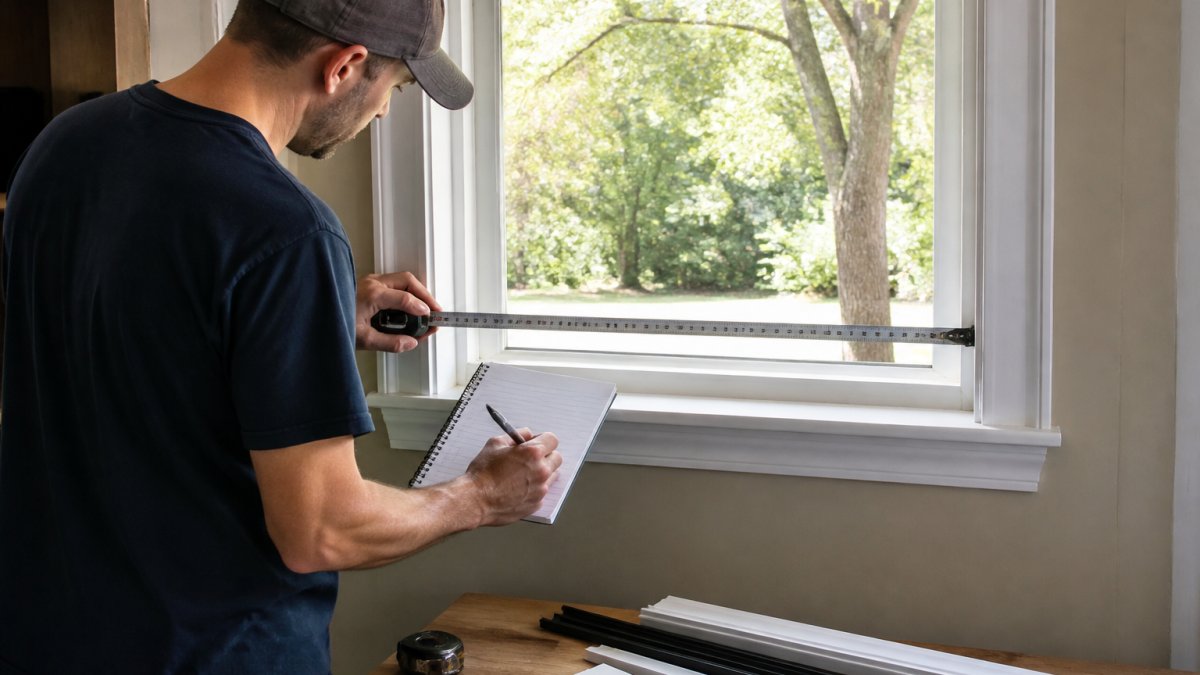
Start by measuring the inside opening of your window frame where the screen will sit. Measure the width at three points: top, middle, and bottom.
For sliding windows and patio doors, measure the opening where the screen slides into the track. Measure width and height at multiple points to account for any irregularities.
Double-check your measurements before submitting them. Mistakes at this stage cascade into screens that don’t fit. Best Custom Screens can guide you through the measurement process if you’re uncertain.
Window Screen Mesh Replacement: Repair vs. Replace
When window screen mesh tears or degrades, homeowners face a choice: repair the damaged mesh or replace the entire screen frame. The decision depends on the damage extent, frame condition, and your long-term plans.
Mesh replacement makes sense when the frame is structurally sound but the mesh has torn, sagged, or developed holes. This is a cost-effective repair for screens that are otherwise functional.
Full frame replacement is necessary when the frame itself is bent, cracked, or severely corroded. Damaged frames don’t hold screens securely and compromise insect protection. Attempting to patch a compromised frame wastes money because the underlying problem remains.
For pet owners dealing with constant mesh damage, investing in pet-resistant replacement mesh prevents recurring repairs. A single replacement with durable material outlasts multiple fiberglass repairs. Evaluate your situation honestly: if you’re repairing the same screen repeatedly, full replacement with better materials makes financial sense.
Installation and Labor Costs
Professional installation adds expense but saves time and ensures proper fit. DIY installation works well for homeowners with basic handyman skills and the right tools. Professional installers handle complex situations, multiple screens, or difficult window configurations efficiently. Understanding labor costs and how they vary by region and project scope helps you budget accurately.
Professional Installation Pricing
Professional installation typically costs between $50 and $150 per screen, depending on complexity, window type, and your location. However, most window service companies impose a service-call minimum of $75 to $150, meaning a single screen installation may cost the full minimum rather than a per-screen rate.
Regional labor rates vary significantly. Metropolitan areas and regions with higher cost of living typically charge more per screen plus the service minimum. Rural areas and regions with lower labor costs may charge less per screen.
Window type affects installation labor. Standard double-hung windows are straightforward for professionals and typically fall at the lower end of the range. Sliding windows and patio doors require more precision. Specialty windows with unusual shapes, high-rise installations, or difficult-to-access openings can cost more. Screens for skylights, transom windows, or windows requiring scaffolding or lifts incur additional charges.
Real-World Project Examples
Understanding labor costs in context helps with budgeting. A small project of 3 standard double-hung windows in a suburban market might cost more in labor alone. A medium project of 8 windows across a home, mostly standard sizes, typically runs more in labor in a mid-range market. A large whole-home project of 15+ screens with mixed window types in a metropolitan area could easily reach higher labor costs.
These labor costs stack on top of screen material costs. A homeowner installing 10 custom aluminum screens plus professional installation faces a total project cost that varies. Bundling multiple screens with one service call reduces per-screen labor cost because the service minimum is spread across more units.
DIY Installation vs. Professional Service
DIY installation works well for homeowners with basic handyman skills and the right tools. Standard double-hung windows are straightforward for DIY installation and require only a screwdriver or basic frame-mounting hardware. Sliding windows and patio doors require more precision but remain manageable for careful homeowners.
Best Custom Screens ships fully assembled products designed for straightforward installation. Many homeowners successfully install screens themselves without special tools or expertise. The ready-to-install design eliminates the need for complex assembly or adjustment. This approach saves labor costs while maintaining quality standards.
However, improper installation leaves gaps that defeat the purpose of having screens. If you’re uncertain about your ability to install correctly, professional installation ensures reliable function and proper fit. For homeowners installing multiple screens across an entire home, professional service might make sense to guarantee quality. For single screens or those with basic window types, DIY installation is practical and saves money.
When requesting installation quotes, always ask about service-call minimums and whether they apply to single-screen jobs. A $75 minimum can significantly change the cost-per-screen for small projects. Get quotes from at least two local providers to understand regional pricing in your area.
Getting an Accurate Quote for Your Screens
Request quotes from multiple sources to understand pricing for your specific situation. Provide accurate measurements, material preferences, and any special requirements like pet-resistant or solar features. Detailed quotes should specify material type, frame construction, custom sizing charges, and any installation services.
Compare quotes carefully, focusing on what’s included. Some quotes might exclude delivery, installation, or warranty coverage. Understanding the complete package prevents surprise costs later. Ask about lead times, especially if you need screens quickly due to pest problems or seasonal concerns.
Best Custom Screens provides transparent quotes based on your exact specifications. Submit a request for a quote with your window measurements, preferred materials, and any special features you need.
Choosing the right window screens requires balancing cost, durability, and your specific home needs. Fiberglass offers affordability for basic protection. Aluminum and polyester provide better long-term value through superior durability and visibility. Pet-resistant and solar screens solve specific challenges but command premium pricing.
Frequently Asked Questions
What factors have the biggest impact on window screen costs?
Screen size, material type, and customization drive most of the cost variation. Larger screens and specialty materials like pet-resistant mesh or solar screens cost more than standard fiberglass. Custom-made screens tailored to your exact window dimensions typically cost more than prefab options, but they fit better and last longer. Installation method, DIY versus professional, also affects total project cost.
How do I measure windows for custom screens to ensure accurate pricing?
Measure the inside width and height of your window opening in three places: top, middle, and bottom for width, and left, right, and center for height. Use a metal tape measure and record the smallest measurement for each dimension. Measure in inches to the nearest 1/16 inch for precision. Note the frame material and condition. Accurate measurements prevent costly mistakes and ensure your custom screens arrive ready to install without gaps or misalignment.
Is it cheaper to replace just the mesh or buy a whole new screen frame?
Replacing just the mesh is cheaper upfront if your frame is still structurally sound and not bent or corroded. However, if the frame is damaged, warped, or the mesh keeps tearing, replacing the entire screen is more cost-effective long-term. Mesh replacement works well for minor wear, but pet damage or weather deterioration often signals the frame needs replacement too. Fully assembled replacement screens eliminate future repairs and provide better durability.
Are custom window screens worth the extra cost compared to big-box store screens?
Custom screens fit your exact window dimensions precisely, eliminating gaps that let insects in and air escape. They’re fully assembled and ready to install without adjustment. Standard screens from big-box stores often require modification, don’t fit odd-sized windows, and wear out faster. For homeowners with pets, solar heat concerns, or non-standard window sizes, custom screens deliver better performance and longevity, making the investment worthwhile.