The Ultimate Guide to Custom Screen Solutions
Introduction to Custom Screen Solutions
Custom screen solutions are specialized window and door coverings designed to fit precisely specific building openings. These tailored screens serve multiple purposes, including insect and debris prevention, air quality improvement, UV protection, and enhancement of a structure’s overall aesthetics. Custom screens are integral to modern architecture and home design, balancing indoor comfort and outdoor connectivity.
Definition and Importance
Window screens, in general, play a crucial role in enhancing a building’s comfort, safety, and energy efficiency. They allow for natural ventilation while keeping out insects and other unwanted elements, contributing to a healthier indoor environment. Additionally, certain types of custom screens can provide added benefits such as increased privacy, improved energy efficiency, and protection against harmful UV rays.
The importance of custom screens cannot be overstated, as they provide a perfect balance between indoor comfort and outdoor connectivity.
Brief History of Window Screens

The history of window screens dates back to the mid-1800s, evolving from a simple necessity to an essential component of modern homes. In the 1820s and 1830s, people used cheesecloth to cover their windows, while wire window screens were being advertised but not yet in high demand. It wasn’t until the 1860s that wire mesh, originally used for food processing sieves, was repurposed as window screens.
During the American Civil War (1861-1865), window screens gained recognition as a household necessity. By 1900, numerous design patents were awarded for innovative screen specifications. The widespread adoption of window screens, along with other mosquito control measures, played a crucial role in combating diseases like malaria in the United States.
Today, custom screen solutions continue to evolve, offering advanced materials, improved durability, and enhanced functionality. At Best Custom Screens, we build upon this rich history to provide you with state-of-the-art custom screen solutions that meet your specific needs and preferences.
Types of Custom Screens


Window Screens
Window screens are versatile protective coverings designed to allow fresh air and natural light while preventing insects and debris from entering. They come in various materials like fiberglass, aluminum, and synthetic blends, offering different levels of durability, visibility, and UV protection.
Door Screens
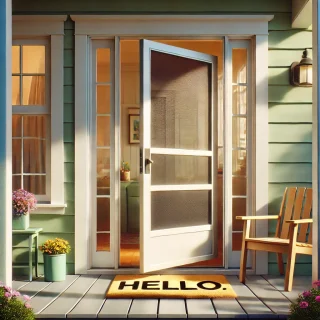
Door screens provide ventilation, pest control, and enhanced home aesthetics. They come in multiple configurations including:
- Hinged screen doors: Traditional doors that open on hinges
- Sliding screen doors: Space-saving options for patio entrances
- Security screen doors:
- Storm doors:
- Retractable screen doors: Innovative designs that roll up when not in use

Patio and Porch Screens
Patio and porch screens create an extended living space that protects against insects while maintaining an open, airy environment. These screens can be full perimeter enclosures or partial screening solutions, offering flexibility in design and functionality.

Retractable Screens
Retractable screens are innovative solutions that disappear into a housing when not in use. They provide:
- Seamless integration with existing doors and windows
- Flexibility to screen or unscreen an area quickly
- Minimal visual obstruction
- Options for manual and motorized operation

Solar Screens
Solar screens are specialized screens designed to reduce heat and UV ray penetration. They help:
- Lower cooling costs
- Protect interior furnishings from sun damage
- Reduce glare
- Improve energy efficiency

Pet-Resistant Screens
Pet-resistant screens are engineered to withstand scratching, pawing, and potential damage from pets. They feature:
- Reinforced mesh materials
- Puncture-resistant fabrics
- Specialized coatings to prevent tears
- Enhanced durability for homes with active pets
Benefits of Custom Screens

The provided chart visually represents the benefits of custom screens, analyzing their impact levels on a scale from 1 to 10. Here’s a summary of the key benefits:
- Pest Control (10/10): Custom screens excel in keeping insects and pests out, making this their most impactful feature.
- Energy Efficiency (9/10): By reducing heat gain and enabling natural ventilation, custom screens help lower energy consumption and costs.
- Improved Air Quality (8/10): They filter out dust, pollen, and allergens while allowing fresh air to circulate, enhancing indoor air quality.
- UV Protection (7/10): Custom screens block harmful UV rays, protecting furniture and flooring from fading while maintaining comfort.
- Increased Privacy (7/10): Certain screen designs offer privacy without sacrificing natural light or airflow.
- Enhanced Curb Appeal (6/10): With customizable styles and finishes, custom screens improve the aesthetic value of your home.
This chart highlights how custom screens provide a well-rounded set of functional and aesthetic benefits, making them a valuable addition to any home.
Custom screens offer a multitude of advantages that significantly enhance your home. We can screen windows, doors, patios, skylights, garages, and any area that needs to keep flying insects out or reduce UV sun rays. Let’s explore the key benefits that make these tailored solutions an invaluable addition to any home.
Improved Air Quality
Custom screens act as your home’s natural air purifier. By allowing fresh air to circulate while filtering out pollutants, they create a healthier indoor environment. This natural ventilation system reduces the concentration of indoor air pollutants, potentially lowering the risk of respiratory issues and allergies.
Energy Efficiency
Investing in custom screens can lead to substantial energy savings. By effectively managing solar heat gain and facilitating natural cooling, these screens can reduce your reliance on air conditioning. This not only lowers your energy bills but also decreases your carbon footprint, contributing to a more sustainable lifestyle.
UV Protection
Custom screens serve as a powerful shield against harmful ultraviolet rays. By blocking up to 90% of UV radiation, they protect your interior furnishings from fading and degradation. This preservation of your home’s interior not only maintains its aesthetic appeal but also extends the lifespan of your valuable possessions.
Enhanced Curb Appeal
Custom screens are not just functional; they’re a stylish addition to your home’s exterior. Available in a wide range of designs, colors, and materials, these screens can be tailored to complement your home’s architectural style. This customization enhances your property’s visual appeal, potentially increasing its market value.
Pest Control
One of the primary functions of custom screens is to create an impenetrable barrier against pests. These screens effectively keep out insects and other unwanted critters, allowing you to enjoy fresh air without the nuisance of buzzing mosquitoes or other pests. This natural pest control method reduces the need for chemical repellents, promoting a healthier living environment.
Increased Privacy
Custom screens offer an elegant solution to privacy concerns. Certain screen materials provide varying levels of opacity, allowing you to maintain your privacy without sacrificing natural light or airflow. This feature is particularly valuable for ground-floor windows or homes in densely populated areas, creating a comfortable and secure living space.
Measuring for Custom Screens
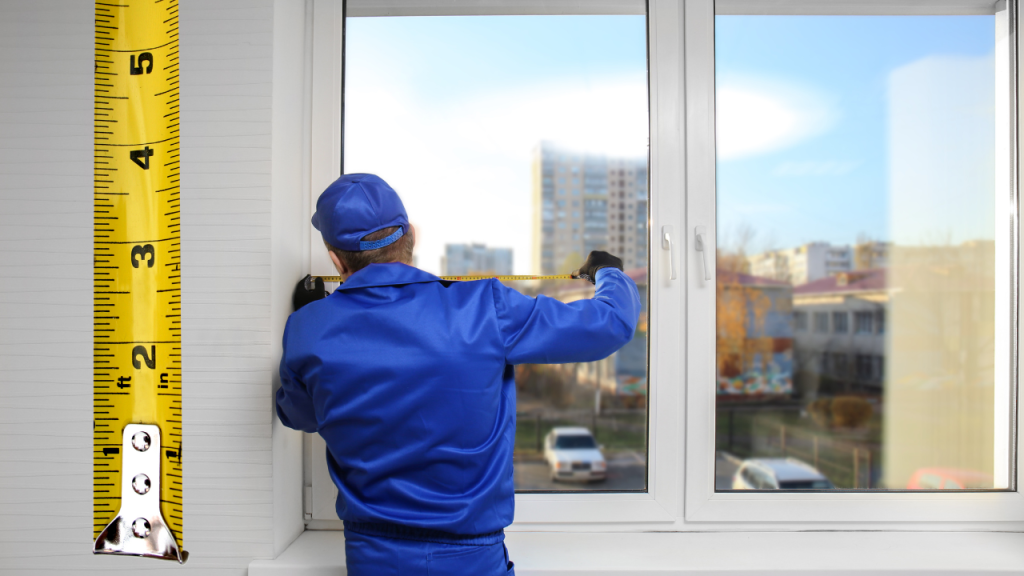
Accurate measurements are critical when ordering custom screens to ensure a perfect fit and optimal functionality. Whether you’re measuring for window screens, solar screens, or door screens, understanding the nuances of each product type is essential. This guide provides step-by-step instructions, highlights common pitfalls, and explains the tools needed for precise measurements.
Step-by-Step Guide to Measuring Custom Screens
1. Tools You’ll Need
- A high-quality tape measure (preferably metal for durability and accuracy)
- A notepad or digital device to record measurements
- A pencil or marker for marking reference points
2. Measuring Window Screens
Window screens require precise measurements of the window’s interior frame or existing window screen that fit right:
- Open the window to expose the screen track.
- Measure the width at three points: top, middle, and bottom. Record the smallest measurement.
- Measure the height on both sides and in the center. Record the smallest measurement.
- Note any additional features like corner notches or pull tabs.
- For more detailed instructions visit https://www.bestcustomscreens.com/window-screens-measuring-instructions/
3. Measuring Solar Screens
Solar screens often mount outside the window frame, requiring slightly different steps:
- Measure the width and height of the window’s outer frame where the solar screen will be installed.
- Account for mounting hardware or brackets by adding or subtracting dimensions as specified by the manufacturer.
- Confirm that there’s sufficient clearance for installation.
- For more detailed instructions visit https://www.bestcustomscreens.com/shop/solar-window-screens/
4. Measuring Swinging Screen Doors
Swinging screen doors require attention to hinge placement and door swing direction:
- Measure the width of the door frame at three points: top, middle, and bottom. Record the smallest measurement.
- Measure the height from the top of the frame to the threshold on both sides.
- Note hinge placement (left or right) and whether the door swings inward or outward.
- For more detailed instructions on Measuring Swinging Screen Doors please visit https://www.bestcustomscreens.com/how-to-instructions/how-to-measure-a-screen-door-opening/
5. Measuring Sliding Screen Doors
Sliding screen doors require measurements of both width and height within their tracks:
- Measure the width of the opening from one side of the track to the other.
- Measure the height from the bottom track to the top track at multiple points and record the smallest measurement.
- Confirm if your door requires rollers or additional hardware.
- For more detailed instructions on how to measure a Sliding Screen Door please visit https://www.bestcustomscreens.com/how-to-instructions/how-to-measure-sliding-screen-door/
Common Pitfalls and How to Avoid Them
- Using an Inaccurate Tape Measure
- Always use a sturdy, reliable tape measure with clear markings to avoid errors. For a better understanding of how to use a tape measure, please watch the video on this page https://www.bestcustomscreens.com/how-to-read-a-tape-measure/
- Measuring Only Once
- Double-check all measurements to ensure accuracy before placing your order.
- Ignoring Frame Irregularities
- Always measure at multiple points (top, middle, bottom) to account for uneven frames.
- Misinterpreting Measurement Units
- Confirm whether dimensions are recorded in inches or millimeters to avoid confusion.
- Overlooking Installation Requirements
- Consider hardware clearance or mounting space when measuring for solar screens or retractable screens.
- Providing Measurements in the Wrong Order
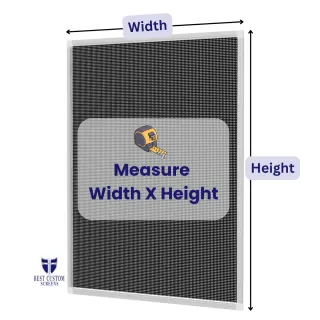
- Always provide measurements in the order of width x height. This industry-standard format helps avoid confusion and ensures your custom screens are made to the correct specifications. Remember: Width comes first, then height.
- Assuming All Screens of the Same Type Are Identical
- Measure each opening individually, even if they appear to be the same size. Slight variations in construction can lead to differences in measurements.
- Rounding Measurements
- Provide exact measurements to the nearest 1/8 inch. Rounding can result in screens that are too large or too small for the opening.
- Failing to Account for Screen Thickness
- Some openings may require accounting for the thickness of the screen material. Check manufacturer guidelines to see if you need to make any adjustments to your measurements.
- Not Considering Obstructions
- Be aware of any handles, locks, or other hardware that might interfere with the screen. Please take note of these items and consult with the manufacturer on how to account for them in your measurements.
By avoiding these common pitfalls, you can ensure that your custom screens will fit perfectly and function as intended. Remember, when in doubt, it’s always better to consult with a professional or contact our customer support team for guidance on measuring your specific type of custom screen.
Materials and Mesh Options for Custom Screens
When selecting custom screens, understanding the various materials and mesh options is crucial for optimal performance and longevity. Let’s explore the different materials, mesh sizes, and their applications to help you make an informed decision.
Comparison of Screen Materials
| Material | Durability | Flexibility | Visibility | UV Resistance | Cost |
| Aluminum | High | Low | Moderate | High | Moderate |
| Fiberglass | Moderate | High | High | Moderate | Low |
| Bronze | Very High | Low | Moderate | High | High |
| Polyester | High | Moderate | High | High | Moderate |
| Stainless Steel | Very High | Low | High | High | High |
Mesh Sizes and Their Applications
Mesh size is measured by the number of openings per square inch. Here are common mesh sizes and their uses:
- 18×14 or 18×16: Standard insect screening, suitable for general use
- 20×20: Fine mesh or “no-see-um” mesh, ideal for keeping out smaller insects
- 30×30: Provides increased privacy and sun control
- 50×50: Offers maximum privacy and UV protection
Pros and Cons of Each Option
Aluminum Screens
Pros:
- Highly durable and strong
- Resistant to rust and corrosion
- Maintains shape well, doesn’t sag
Cons:
- Can dent permanently if impacted
- More difficult to install, and may require professional help
- More visible, potentially obstructing views
Fiberglass Screens
Pros:
- Flexible and easy to install
- Cost-effective
- Resistant to dents, unraveling, and creasing
Cons:
- Less durable than metal options
- Can tear more easily, especially with pet activity
- May sag over time
Bronze Screens
Pros:
- Extremely durable and long-lasting
- Resistant to corrosion, ideal for coastal areas
- Develops an attractive patina over time
Cons:
- Most expensive option
- Requires specialized installation
- Limited availability
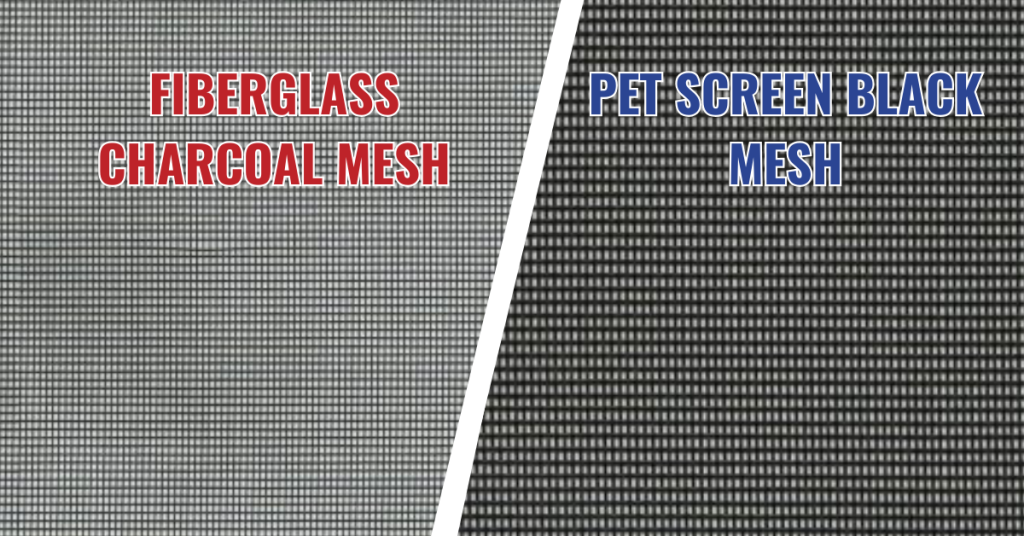
Polyester Screens
Pros:
- Tear-resistant and durable
- Heat and fade-resistant
- Pet-friendly option
Cons:
- More expensive than fiberglass
- Less common, may be harder to find
Stainless Steel Screens
Pros:
- Extremely strong and durable
- Corrosion and fire-resistant
- Excellent for high-traffic areas
Cons:
- More expensive than aluminum or fiberglass
- Less flexible, can be challenging to install
When choosing a screen material and mesh size, consider factors such as your local climate, desired level of visibility, insect control needs, and budget. For areas with small insects, a finer mesh like 20×20 may be necessary. If you have pets, consider a more durable option like pet-resistant polyester screens. For coastal regions, corrosion-resistant materials like bronze or stainless steel are ideal.
By carefully weighing the pros and cons of each material and considering your specific needs, you can select the perfect custom screen solution for your home or business.
Design and Customization Options
Custom screens offer a wide range of design possibilities to enhance your home’s aesthetics and functionality. From frame colors to specialty shapes, the options for personalization are extensive.
Frame Colors and Finishes
Custom screen frames are available in various colors and finishes to complement your home’s exterior:
- White
- Bronze
- Silver/Mill
- Almond/Tan
- Adobe
- Black
- Bronze Anodized (only on selected models)
These color options allow you to match your screen frames to your window frames or create a contrasting look. Some manufacturers also offer wood interior surrounds that can be stained or painted to match warm wood interiors.
Specialty Shapes and Sizes
Custom screens aren’t limited to standard rectangular shapes. Specialty shapes are available to fit unique window designs:
- Half-Circle Arch
- Half Eyebrow
- Full Eyebrow
- Quarter-Circle
These custom shapes allow you to maintain a cohesive look across all windows, even those with non-standard designs. Additionally, screen frames can be custom-cut to exact specifications, with lengths ranging from 1 to 8 feet.
Decorative Elements and Patterns
To add visual interest and enhance your home’s curb appeal, consider incorporating decorative elements and patterns into your custom screens:
- Grid work: Some manufacturers offer the option to add decorative grids to your screens, creating a more intricate design.
- Solar screen patterns: Materials like SunTex offer various weave patterns that not only look attractive but also provide additional benefits such as UV protection and improved energy efficiency.
- Frame profiles: Some screen systems, like the Envision series, feature a bold 3 1/4″ frame depth for an enhanced architectural profile and sophisticated look.
When selecting design and customization options, consider how they will integrate with your home’s overall architecture. The right combination of frame color, shape, and decorative elements can significantly boost your home’s curb appeal while providing essential functionality.
Remember that customization options may vary depending on the manufacturer and specific product line. Always consult with a professional or manufacturer to understand the full range of options available for your particular needs.
Additional Components for Custom Screens
When designing custom screen solutions, it’s important to consider the various components that contribute to functionality, durability, and ease of use. Let’s explore some key elements:
Mesh Options
The choice of mesh can significantly impact the performance of your custom screen:
- Fiberglass: Lightweight, flexible, and cost-effective
- Aluminum: More durable than fiberglass, keeps screens tight
- Pet-resistant: Thicker and more durable, ideal for homes with pets
- UltraVue/BetterVue: Offers superior visibility
- No-See-Um: Features a tight weave to keep out tiny insects
- Stainless Steel: Provides enhanced security and durability
Hardware
Proper hardware ensures your custom screens function smoothly and securely:
- Spring Plungers: Hold screens in place with a retractable metal tab
- Slide Latches: Feature a flat metal flange that slides into a groove
- Butterfly Latches: Extend a small flange to secure the screen
- Rams Horn Clips: Snap onto the window frame to hold the screen
- Acorn Turn Latches: Plastic latches that turn to secure the screen
Pull Tabs
Pull tabs are essential for easy screen removal and installation:
- Hollow Pull Tabs: Made of high-strength plastic with a 1.5″ finger space
- Metal Pull Tabs: Heavier duty option made of aluminum
- Rubber Pull Tabs: Common, basic style measuring approximately 1″ x 1″
Mounting Clips
Various clips help secure screens to different window types:
- Casement Clips: Available in different sizes (1/4″, 5/16″, 3/8″, 7/16″) to fit various frame thicknesses
- Flush Mount Casement Clips: Designed for a sleek, flat mounting
- Loop Latches: Hold the bottom of the screen in the window frame
Additional Components
- Spline: Holds the screen mesh in place within the frame. Available in vinyl, foam, and metal options
- Corner Connectors: Used to assemble frame pieces without mitering
- Crossbars: Provide reinforcement for larger screens
When selecting these components, consider factors such as your specific window type, desired functionality, and environmental conditions. For example, stainless steel mesh might be ideal for coastal homes, while pet-resistant screens are perfect for households with animals. By carefully choosing each element, you can create custom screens that perfectly suit your needs and preferences.

Installation Guide
Installing custom screens can be a rewarding DIY project or a task best left to professionals, depending on your skill level and the complexity of the installation. This guide provides an overview of the installation process, tips for DIY enthusiasts, and advice on when to seek professional help.
DIY Installation Tips
For those comfortable with home improvement projects, installing custom screens can be a manageable task. Here are some key tips:
- Measure accurately: Double-check all measurements before ordering or cutting materials.
- Gather all tools before starting: Ensure you have everything needed to complete the installation.
- Follow manufacturer instructions: Each screen type may have specific installation requirements.
- Take your time: Rushing can lead to mistakes or damage to the screen or frame.
For detailed, step-by-step instructions on installing specific types of screens, refer to our comprehensive guides:
These guides include video tutorials that provide visual demonstrations of the installation process, making it easier to follow along and understand each step.
When to Hire a Professional
While many screen installations can be DIY projects, there are situations where professional installation is recommended:
- Complex or custom-shaped windows or doors
- High or difficult-to-reach installations
- Lack of necessary tools or experience
- Time constraints or physical limitations
- Warranty requirements (some manufacturers may require professional installation)
Professional installers have the experience, tools, and expertise to ensure your custom screens are installed correctly and function optimally.
Tools and Equipment Needed
The specific tools required may vary depending on the type of screen and installation, but generally include:
- Tape measure
- Screwdriver (both flathead and Phillips head)
- Cordless Drill/Driver with appropriate bits
- Level
- Utility knife
- Pliers
- Hacksaw or Chop Saw (for cutting metal frames if needed)
- Safety glasses and work gloves
- Screen/Spline Rolling Tool
For specialized screens or installations, additional tools may be necessary. Always consult the manufacturer’s instructions for a complete list of required tools and equipment.
By following these guidelines and utilizing our detailed installation guides, you can ensure a successful installation of your custom screens, whether you choose to DIY or hire a professional.

Maintenance and Care
Proper maintenance and care of your custom screens can significantly extend their lifespan and keep them looking great. Here are some essential tips for cleaning, seasonal care, and deciding between repair and replacement.
Cleaning Techniques for Different Materials
One of the most effective ways to clean window screens is by using Screen Magic Window Screen Cleaner. This product works on various screen types, including fiberglass bug screening, sliding screen doors, window screens, and solar window screens. Here’s a quick guide on how to use it:
- Remove the screen from the window.
- Shake the bottle well and spray the cleaner on both sides of the screen.
- Let it sit for a few minutes.
- Wipe off excess cleaner from the frames and screening material.
- Reinstall the screen.
For screens with green mold, you may need to repeat the process a few times and use a dry brush or microfiber rag to remove heavy debris before applying the cleaner.
Seasonal Care Tips
To keep your screens in top condition year-round:
- Inspect screens regularly for damage or wear.
- Clean screens at least twice a year, ideally in spring and fall.
- Store removable screens in a dry place during winter months to prevent damage from snow and ice.
- Apply a UV protectant like Screen Magic to shield screens from sun damage.
Repair vs. Replacement Guidelines
Consider these factors when deciding whether to repair or replace your screens:
- Extent of damage: Small tears can often be repaired, while large holes may require replacement.
- Age of screens: Older screens might be more cost-effective to replace entirely.
- Frame condition: If the frame is damaged or warped, replacement is usually the best option.
- Cost comparison: Get quotes for both repair and replacement to determine the most economical choice.
By following these maintenance and care tips, you can ensure your custom screens remain functional and attractive for years to come.
Custom Screens for Specific Needs
When it comes to custom screens, one size doesn’t fit all. Different environments and architectural styles require tailored solutions to address specific challenges. Let’s explore custom screen options for various specialized needs.
Screens for Historic Homes
Historic homes require screens that maintain the property’s authenticity while providing modern functionality. Wood window screens are an excellent choice for these properties:
- Crafted from materials like mahogany or reclaimed long leaf pine
- Custom-made to fit original window frames
- Constructed with mortise and tenon joints for authenticity
- Can be designed to replicate original screen patterns
For homes where exterior screens are not permitted due to historical preservation requirements, interior retractable screens offer a minimally intrusive solution.
Allergen-Reducing Screens
For those suffering from allergies, specialized screens can significantly improve indoor air quality:
- AllergyGuard NanoScreen™ technology blocks over 99% of pollen and other allergens
- Filters fine dust, hair, smoke, and bacteria
- Allows for natural ventilation without compromising air quality
- Easy to clean and maintain
These screens enable homeowners to enjoy fresh air without exacerbating allergy symptoms, making them an excellent choice for those sensitive to airborne particles.
High-Wind Area Solutions
In regions prone to strong winds or hurricanes, specially designed screens offer both protection and functionality:
- FlexShade Zip Traditional screen system withstands winds up to 95-150 mph
- Features extruded aluminum side channels with a special zip retainer
- Tested in hurricane-level conditions
For extreme wind locations, products like ExtremeScreen™ are designed to handle high winds without breaking loose from fences or frames, reducing maintenance and replacement costs.
Screens for Coastal Environments
Coastal areas present unique challenges due to salt air, high winds, and intense UV exposure. Custom screens for these environments should offer:
- Corrosion-resistant materials like bronze or stainless steel
- UV protection to preserve interior furnishings
- Durability to withstand coastal weather conditions
- Water-shedding capabilities to protect against rain and sea spray
Solar screens are particularly beneficial in coastal settings, as they can block up to 95% of the sun’s harmful rays while still allowing for views and ventilation.
When selecting custom screens for specific needs, it’s crucial to consider factors such as local climate, architectural requirements, and personal preferences. By choosing the right screen solution, homeowners can enhance their living spaces while addressing unique environmental challenges.
Environmental Impact and Sustainability
As homeowners become more environmentally conscious, the demand for eco-friendly and sustainable solutions extends to window screens. Custom screen solutions can play a significant role in reducing your home’s environmental impact while providing energy-saving benefits.
Eco-friendly Screen Options
Several eco-friendly alternatives are available for custom screens:
- Recycled Materials: Screens made from recycled aluminum or plastics help reduce waste and conserve resources.
Energy-saving Benefits
Custom screens contribute significantly to energy efficiency in homes:
- Natural Ventilation: By allowing fresh air circulation, screens reduce the need for air conditioning, lowering energy consumption and costs.
- Solar Heat Reduction: Solar screens can block up to 95% of the sun’s harmful rays, keeping interiors cooler and reducing the load on cooling systems.
- Insulation: Some custom screens provide an additional layer of insulation, helping to maintain indoor temperatures and reduce heating and cooling needs.
Recyclability and Disposal Considerations
When it’s time to replace your custom screens, consider these environmentally responsible options:
- Recycling: Many screen materials, especially metals like aluminum, can be recycled indefinitely.
- Upcycling: Old screens can be repurposed for various household uses, such as garden protection, utility scrubs, or even as sifters for gardening tasks.
- Proper Disposal: If recycling isn’t possible, ensure proper disposal through local waste management facilities to minimize environmental impact.
By choosing eco-friendly custom screens and considering their full lifecycle, homeowners can significantly reduce their environmental footprint while enjoying the benefits of improved comfort and energy efficiency.
Customer Reviews for Best Custom Screens
Best Custom Screens has received numerous positive reviews from satisfied customers, highlighting the quality of their products and the ease of their ordering process. Let’s explore some of the key aspects that customers appreciate about this company.

High-Quality Products
Customers consistently praise the superior quality of screens from Best Custom Screens:
- This screen is the best screen I’ve ever bought. Fit and finish was perfect and when I say the fit was perfect I mean it. This screen slides like it’s running on ice.” – Craig J.
- “Great product and as described. Has held up well and is sturdy. A huge improvement over what we replaced.” – Elizabeth W.
User-Friendly Online Ordering
The company’s website has received compliments for its ease of use and helpful features:
- “I researched and loved their website. The many different styles and the exacting measurements made the process pretty easy.” – Nina Z.
- “Their website was easy to use and order from.” – Justina A.

Competitive Pricing
Customers appreciate the value for money offered by Best Custom Screens:
- “The price beat your local home improvement stores and arrived promptly after ordering.” – Justina A.
- “Prices are good and the product was of good quality.” – Jose D.
Custom Sizing and Difficult Installations
The ability to order custom sizes and tackle complex installations is a significant advantage:
- I needed a high quality, very difficult installation screen door. I researched and loved their website. The many different styles and the exacting measurements made the process pretty easy.” – Nina Z.
- “Orderd a custom 4’screen for our 8′ slider. This screen is the best screen I’ve ever bought.” – Craig J.
Professional Installation Services
For those who opt for professional installation, the experience has been positive:
- “I used the local company for my project and they did an amazing job putting in screens in the windows. Robert the local installer was helpful and they had the lowest bid.” – Jose D.
These reviews demonstrate that Best Custom Screens has built a strong reputation for delivering high-quality, custom-fit screens that meet or exceed customer expectations, with a user-friendly ordering process and competitive pricing.