Where to Buy Custom-Sized Window Screens in 2026


Table of Contents
- Where Can You Buy Custom-Sized Window Screens in 2026?
- Online vs. Big-Box vs. Local: Where to Buy Custom Window Screens
- What Custom Window Screen Cost Really Includes
- How to Measure Windows for Custom Screens Without Mistakes
- Why Assembled Custom Size Window Screens Save You Time
- Custom Window Screen Replacement: Matching Mesh, Frame, and Hardware
- Returns, Warranties, and Fit Guarantees to Check Before You Order
- Frequently Asked Questions
Last Updated: October 9, 2026
Where Can You Buy Custom-Sized Window Screens in 2026?
You can buy custom window screens from three main sources: online custom screen retailers, big-box stores, and local screen shops or mobile services. Each channel handles measurement, assembly, and shipping differently, and that difference shapes your final cost and fit. This guide from Best Custom Screens breaks down how each option works so you can order with confidence.
The stakes are higher than they look. A screen that is off by even a quarter inch will not seat properly in the frame channel, and most retailers treat incorrect measurements as a buyer error rather than a defect. That single detail explains why so many homeowners end up ordering twice.
Below, we will show you exactly how to compare retailers, measure without mistakes, and spot the fine print on returns and fit guarantees before you spend a dollar. Most shoppers focus on price alone, but the total cost of a screen includes shipping, hardware, and whether it arrives assembled. That is where the real differences show up.
Online vs. Big-Box vs. Local: Where to Buy Custom Window Screens
Online retailers offer the widest range of mesh and frame options, big-box stores trade selection for convenience, and local shops provide hands-on help at a higher price. Understanding the trade-offs helps you match the channel to your window type.
The table below summarizes how the three channels compare on the factors that matter most.
| Channel | Measurement | Assembly | Mesh Options | Best For |
|---|---|---|---|---|
| Online custom retailers | You measure | Usually pre-assembled | Wide, incl. specialty | Odd sizes, specialty mesh |
| Big-box stores | You measure | Pre-framed kits | Limited | Standard windows, quick pickup |
| Local shops / mobile | They measure | Assembled on site | Moderate | Hard-to-reach or unusual windows |
Online Custom Screen Retailers
Online ordering gives you the most control over dimensions and materials. You enter your own width and height, choose a frame color and mesh type, and the screen arrives made to order.
The trade-off is that accuracy is on you. Reputable online retailers publish clear measurement guides and offer phone support, which matters when you are dealing with an older home full of non-standard openings.
Big-Box Stores and Their Limits
Big-box stores sell pre-framed replacement screens, and some locations will cut a screen to your measurements. The convenience is real, but the mesh menu is short.
If your window is a standard size and you need a basic fiberglass screen, this route works. If you need pet-resistant mesh, solar screen, or a pollen filter, you will likely hit a wall.
Local Screen Shops and Mobile Services
Local shops and mobile services measure on site, which removes the guesswork. For a sliding window with a tricky track or a screen that has to fit an old wooden frame, that hands-on visit can save you a return.
You pay for that service. Expect a higher price than online ordering, and expect scheduling lead time before anyone shows up.
What Custom Window Screen Cost Really Includes
Custom window screen cost depends on more than the screen itself. Size, mesh type, frame material, hardware, and shipping all move the number, which is why comparing a single sticker price across retailers rarely tells the full story.
Dimensions. Screen pricing scales with area, not just width or height. A 36-by-48-inch opening uses roughly twice the mesh and frame stock of a 24-by-36-inch opening, so a small change in one dimension can move the price more than you expect.
Mesh type. Standard fiberglass sits at the low end. Pet screen, solar screen, and tighter-weave no-see-um mesh cost more because the material itself is denser and slower to run. Specialty mesh is usually the second-largest line item after the frame.
Frame material and color. Basic mill-finish aluminum is the cheapest option. Powder-coated colors, heavy-duty all-metal frames, and custom profiles add cost. If your window trim is a nonstandard color, expect a premium or a longer lead time.
Hardware. Springs, pull rails, thumb latches, and corner keys are small line items individually, but they add up across a multi-window order. Confirm whether hardware is included or sold separately before you compare totals.
Shipping and assembly. Pre-assembled screens cost more to ship because they cannot be folded or nested. Flat-packed kits ship cheaper but shift assembly labor onto you.
Returns and remakes. A made-to-order screen cannot be restocked, so a sizing error usually means paying for a second screen rather than a simple exchange.
A practical way to compare: request a quote for the same dimensions, mesh, frame color, and hardware from each seller, then add shipping and note the return policy. That total is the only number worth comparing.
Compare total delivered cost for one identical configuration, not advertised starting prices. Dimensions, mesh, hardware, shipping, and remake risk are what separate a cheap screen from an expensive mistake.
How to Measure Windows for Custom Screens Without Mistakes
Measure the visible opening, not the old screen. The most common error is measuring the existing screen frame, which may itself be warped or undersized.
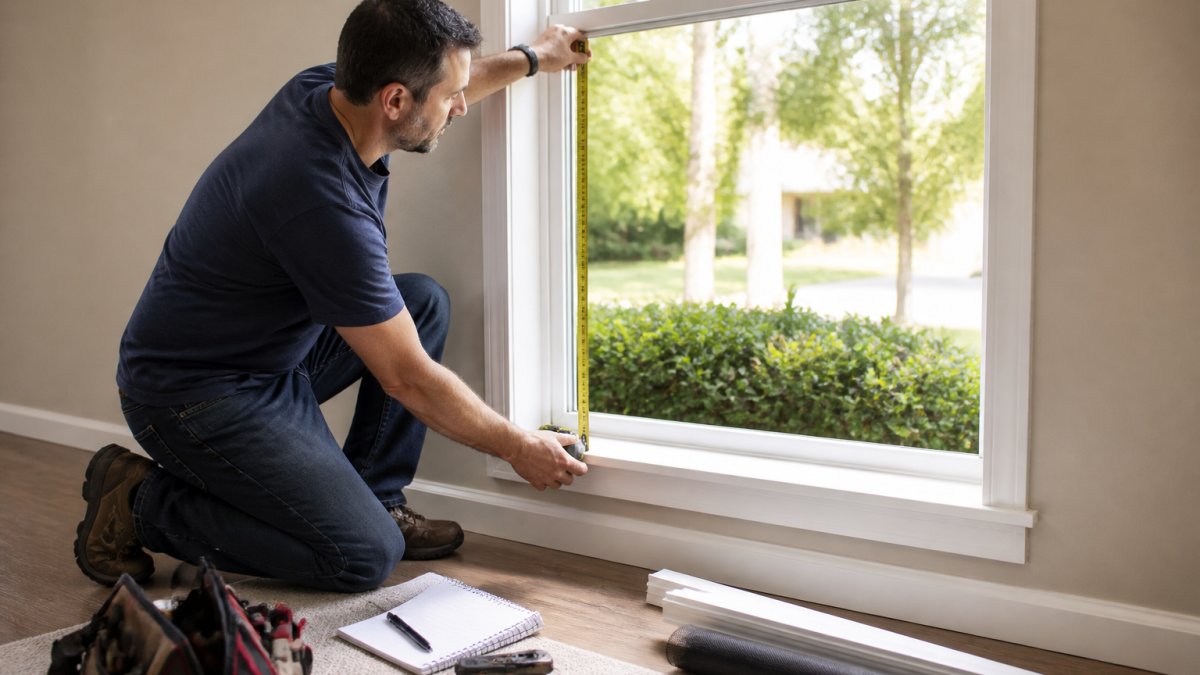
Follow this sequence for each window:
- Measure the width at the top, middle, and bottom of the opening. Record the smallest number.
- Measure the height on the left, center, and right. Record the smallest number.
- Note the frame channel depth so the new frame seats correctly.
- Write down the window style: sliding, half screen, or fixed.
- Photograph the opening with the tape measure in frame for your own records.
Measuring the old screen instead of the opening is the single most common cause of a bad fit. If the old screen was cut short, you will repeat the mistake and pay for a second order.
Why Assembled Custom Size Window Screens Save You Time
Assembled custom size window screens arrive ready to install, which removes the step where most DIY projects stall. You do not need to cut frame stock, roll mesh, or press spline.
That matters for two reasons. First, assembly at home requires a spline roller and steady hands; a wavy spline line lets insects through. Second, factory assembly keeps the mesh tension even, which extends the life of the screen.
Installation is a lift-and-seat job. Slide the screen into the channel, check that it sits flush, and test the pull rail on a sliding window. If it binds, the frame is slightly out of square and needs to go back.
Label each screen with its window location using painter’s tape before you install it. On a multi-window order, this prevents you from forcing a screen into the wrong opening and bending the frame.
Custom Window Screen Replacement: Matching Mesh, Frame, and Hardware
Custom window screen replacement is not just a size match; the mesh, frame color, and hardware have to match the window and your goals. A pet-resistant screen on a bedroom window and a solar screen on a west-facing slider solve two different problems.
Common mesh and feature choices include:
- Standard fiberglass for general insect protection at the lowest cost.
- Pet screen with a heavier weave that resists clawing and tearing.
- Solar screen that cuts heat gain and UV exposure on sun-facing windows.
- Pollen-filtering mesh for households with allergy concerns.
- No-See-Um mesh with a tighter weave for very small insects.
Frame color and hardware should match the existing trim. Springs, pull rails, and replacement parts vary by window style, so confirm compatibility before ordering. Best Custom Screens builds heavy-duty, all-metal frame options and pet-friendly door integration for households that need more than a basic screen.
Returns, Warranties, and Fit Guarantees to Check Before You Order
Return policies on custom screens are stricter than on stock items, because a made-to-order screen cannot be resold. Most retailer pages bury this in fine print, and almost none explain who is responsible when a screen does not fit.
Who owns the measurement error. This is the question that matters most. Some sellers treat any incorrect dimension as a buyer error with no remedy. Others offer a remake at a reduced price or a full replacement if you followed their measurement guide.
Fit guarantee versus manufacturing defect. These are different promises. A manufacturing defect policy covers a warped frame, a torn mesh, or a failed spline. A fit guarantee covers the screen not seating in your opening even when the build was technically correct.
Remake policy. When a remake is offered, note the terms: is it free, discounted, or full price? Does it require returning the original screen, and who pays that shipping?
Return window and condition. Custom screens often have a short return window, sometimes measured from delivery rather than order date. The screen usually must be uninstalled and undamaged. If you plan to test-fit before installing, confirm that a test fit does not void the return.
Warranty coverage by component. Ask separately about the frame and the mesh. Frame warranties tend to run longer than mesh warranties, since mesh is the wear item. Confirm whether hardware like springs and pull rails is covered and for how long.
Shipping damage. Screens ship in rigid cartons, but damage happens. Note the claim window and whether you must report damage on delivery. Photograph the carton before opening it if it looks crushed.
A short checklist to run against any seller:
- Is there a written fit guarantee, and does it cover my measurement error?
- What does a remake cost, and who pays return shipping?
- How long is the return window, and from what date?
- Are frame, mesh, and hardware warranted separately?
- What is the process and deadline for shipping-damage claims?
A low price with no fit guarantee can cost more than a higher price with a clear remake policy. On a multi-window order, one sizing error without recourse can erase the savings on every other screen.
The policy that matters most is the one covering your measurement error. A retailer with a clear, written fit guarantee is worth more than a slightly lower sticker price.
Frequently Asked Questions
How much does a custom window screen cost?
Custom window screen cost depends on the size, mesh type, and frame material you choose. Fiberglass and aluminum options usually sit at the lower end, while pet-resistant, solar, and pollen-filtering meshes cost more because of the specialty materials. Frame color, hardware, and whether the screen arrives fully assembled also affect the total. Best Custom Screens does not publish fixed prices, so submit a request for a quote with your measurements and mesh preference to get an exact figure for your order.
How do I measure a window for a custom screen?
Measure the visible opening, not the old screen. Record the width at the top, middle, and bottom, then the height at the left, center, and right. Use the smallest width and smallest height so the screen fits even if the frame is slightly out of square. Measure in millimeters or inches consistently and write the numbers down before ordering. Most online retailers, including Best Custom Screens, build the screen to the exact dimensions you submit, so a wrong measurement means a screen that will not seat properly.
Can I buy a custom window screen that is already assembled?
Yes. Assembled custom size window screens arrive with the frame, mesh, and hardware already put together, so you only need to seat the screen in the channel and check the fit. This saves the labor of cutting spline and rolling mesh yourself. Best Custom Screens ships fully assembled screens nationwide in packaging designed to protect the frame and mesh in transit, which matters for larger sliding door screens.
What should I check before ordering a custom window screen replacement?
Confirm four things: the exact opening dimensions, the frame color and profile that matches your existing channel, the mesh type you need (standard, pet-resistant, solar, or pollen-filtering), and the return or fit guarantee. Also check whether the retailer includes hardware like springs, pull rails, or corner keys, and whether shipping is free or calculated at checkout. Best Custom Screens offers phone support if you are unsure which frame or mesh matches your window style.
Ordering the wrong size is the most expensive mistake in this process, and it is entirely avoidable with careful measurement and a retailer that stands behind the fit. Best Custom Screens builds each screen to your exact dimensions, ships it fully assembled, and offers heavy-duty all-metal frames, pet-friendly mesh, and solar options for sun-facing windows. Submit a request for quote with your measurements and get a screen built to fit your home.