Best Screen Mesh for Insect Control: 2026 Guide


Table of Contents
- Best Screen Mesh for Insect Control: Quick Comparison
- Standard Fiberglass: The Reliable Foundation
- Fiberglass vs. Aluminum Screen Mesh: Material Showdown
- Fine Mesh Screen for No-See-Ums and Tiny Insects
- Premium Wire Mesh Options: Bronze and Copper
- How to Measure Window Screens for Replacement
- Selecting the Right Mesh for Your Climate and Pests
- Installation and Maintenance Tips for Long-Lasting Performance
- Frequently Asked Questions
Last Updated: September 25, 2026
Best Screen Mesh for Insect Control: Quick Comparison
When you’re choosing screen mesh for insect control, the decision comes down to three core factors: the size of insects you’re excluding, your climate, and how much airflow matters to you. The right mesh depends entirely on your specific situation.
The standard fiberglass 18×16 weave handles most common insects. But if you’re dealing with no-see-ums, gnats, or extreme heat, you’ll need something different. Below, we break down every major option so you can match the right mesh to your actual needs.
| Mesh Type | Best For | Key Advantage | Main Tradeoff |
|---|---|---|---|
| Standard Fiberglass 18×16 | General insect protection | Cost-effective, widely available | Can become brittle with UV exposure |
| Fine Mesh (20×20) | No-see-ums, biting midges | Blocks tiny insects other meshes miss | Reduces airflow significantly |
| Fiberglass High-Visibility | Clear views + insect control | Superior clarity and light transmission | Higher cost than standard mesh |
| Bronze Wire Mesh | Long-term durability, aesthetics | Lasts decades, doesn’t corrode | Expensive material premium |
| Copper Wire Mesh | Historic homes, luxury spaces | Distinctive patina, very durable | Very high cost, requires maintenance |
Standard Fiberglass: The Reliable Foundation
Standard 18×16 fiberglass mesh is the workhorse of insect control. It blocks mosquitoes, flies, and most common household pests while maintaining decent airflow and visibility. If you’re not dealing with tiny biting insects or extreme conditions, this is your baseline.
The 18×16 designation means 18 strands per inch horizontally and 16 vertically, a weave pattern that’s been industry standard for decades because it balances protection with practicality. Fiberglass is flexible, easy to install, and corrosion-resistant, which is why it dominates residential screening.
Where standard fiberglass falls short: it becomes brittle over time when exposed to intense UV rays, especially in direct sun without overhang protection. The material can crack or tear more easily after 3-5 years in harsh climates. For coastal areas or regions with extreme temperature swings, you’ll want to consider upgrading materials or planning for earlier replacement.
Best Custom Screens offers custom-cut fiberglass mesh sized to your exact window dimensions, eliminating the common problem of ill-fitting screens from big-box stores. The UV-resistant coating extends the lifespan compared to basic options, and the fully assembled design means installation takes minutes, not hours.
Fiberglass vs. Aluminum Screen Mesh: Material Showdown
The choice between fiberglass and aluminum comes down to durability versus flexibility. Fiberglass is lightweight and forgiving during installation, it flexes slightly, which makes it easier to fit into frames that aren’t perfectly square. Aluminum is stiffer, stronger, and lasts longer, but it’s less forgiving if your window opening has minor irregularities.
Aluminum screening offers superior tensile strength, meaning it resists tearing and puncturing better than fiberglass. If you have pets or live in an area with frequent debris from storms, aluminum holds up noticeably better. The tradeoff is visibility, aluminum wire is thicker, so it creates a slightly more visible mesh pattern.
Aluminum also resists corrosion better in coastal or high-humidity environments. Fiberglass doesn’t rust, but the material itself degrades faster under UV exposure. In a humid climate, aluminum’s advantage compounds because you’re not fighting both UV degradation and moisture damage simultaneously.
For most homeowners, the cost difference doesn’t justify aluminum unless durability is your primary concern. Standard fiberglass handles 5-7 years of typical use. If you need 10+ years and don’t mind slightly reduced visibility, aluminum is worth the upgrade.
Fine Mesh Screen for No-See-Ums and Tiny Insects
No-see-ums, also called biting midges, are small enough to pass through standard 18×16 mesh. If you’re in a region where these are common, standard screening won’t solve the problem. Fine mesh with a 20×20 or tighter weave is necessary.
Fine mesh with a 20×20 weave is specifically engineered to exclude these tiny insects. The tight weave blocks what standard mesh misses while maintaining reasonable visibility compared to even finer agricultural meshes.
The real cost of fine mesh isn’t just price, it’s airflow. A 20×20 weave reduces air circulation by roughly 30-40% compared to standard 18×16. In warm climates, this matters. Your screens become a barrier to natural ventilation, which can feel stuffy and may increase cooling costs if you’re relying on air conditioning instead of cross-breeze cooling.
Fine mesh also requires more frequent cleaning. Dust and pollen accumulate faster in the tighter weave, so you’ll be washing screens more often to maintain visibility and airflow. If you’re in an area with seasonal no-see-um problems, consider fine mesh for summer months and switching to standard mesh in winter when those insects aren’t active.
Fine mesh is worth the tradeoff only if no-see-ums are actually a problem in your area. Check with local pest control services or your county extension office to confirm before investing in the tighter weave. Many homeowners buy fine mesh as insurance and never need it.
::: Managing smaller insects at the perimeter often requires a broader strategy that integrates organic pest control to minimize the reliance on physical barriers alone.
Premium Wire Mesh Options: Bronze and Copper
Wire mesh, bronze and copper specifically, represents the premium end of the market. These materials don’t degrade like fiberglass and don’t corrode like steel. Bronze and copper are chosen for architectural projects, historic home restorations, and luxury outdoor spaces where durability and aesthetics matter equally.
Bronze wire mesh offers a warm, classic appearance that fits period-appropriate homes. It’s corrosion-resistant by nature, so it weathers gracefully without maintenance beyond occasional cleaning. The tensile strength is substantially higher than fiberglass, making it virtually tear-proof. A bronze mesh screen can last 20+ years with minimal degradation.
Copper mesh develops a natural patina over time, that distinctive greenish coating that appears on old copper roofs and gutters. Some homeowners love this aesthetic evolution; others prefer the bright copper appearance and periodically polish it. Unlike bronze, copper requires occasional maintenance if you want to preserve the original finish, but it’s still lower-maintenance than fiberglass in harsh climates.
The cost premium is significant. Both materials run 3-5 times the price of standard fiberglass.
Historic home restorations, luxury outdoor living spaces, and properties where the screen is visible from the street and contributes to curb appeal.
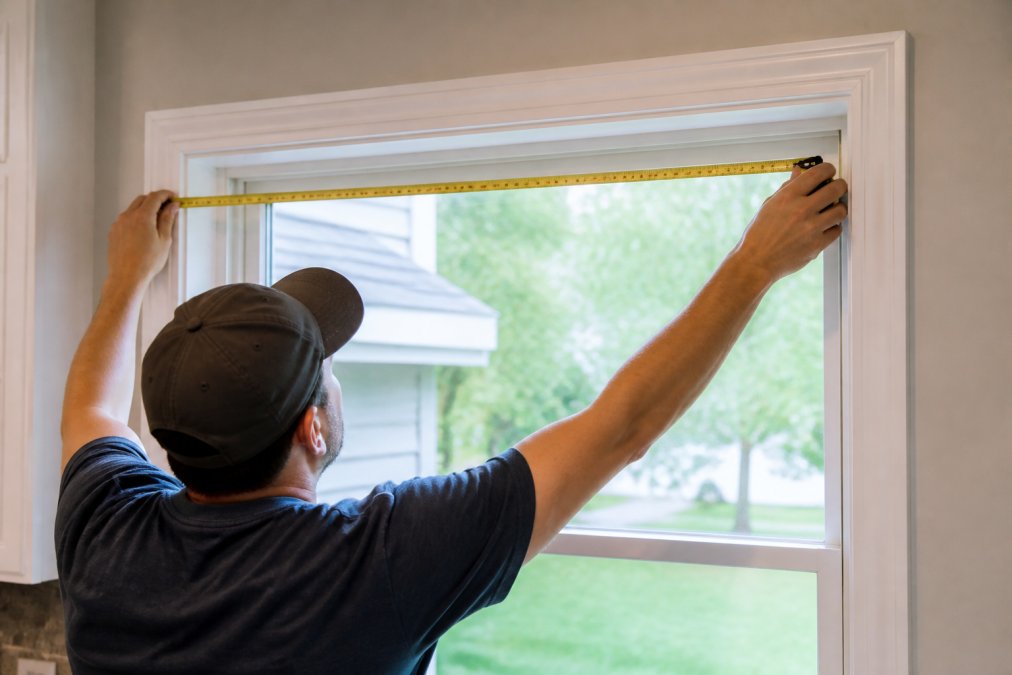
How to Measure Window Screens for Replacement
Accurate measurement is the difference between a screen that fits perfectly and one that gaps at the edges. Most measurement errors come from measuring only the frame opening without accounting for the spline groove where the mesh actually sits.
Selecting the Right Mesh for Your Climate and Pests
Climate determines both which insects are present and how quickly your mesh will degrade. UV intensity, humidity, and temperature swings all affect material longevity.
Buying fine mesh as “insurance” against insects you don’t have is the most common waste of money in screen selection. Fine mesh reduces airflow, requires more cleaning, and costs more. Only upgrade if the specific insects are documented in your area.
Installation and Maintenance Tips for Long-Lasting Performance
Installation difficulty varies dramatically by screen type and frame condition. Standard fiberglass in good frames takes 10-15 minutes per screen. Older frames or damaged spline grooves can turn a simple job into a frustrating afternoon.
Store screens indoors during winter in cold climates. Freezing temperatures can make spline brittle and cause it to crack. If screens must stay outside year-round, inspect spline more frequently in spring to catch any cold-weather damage before insects return.
Frequently Asked Questions
What is the best type of screen mesh to keep insects out?
Standard 18×16 fiberglass mesh works well for most insects, but the best choice depends on your specific pests. For mosquitoes and common flies, 18×16 is sufficient. For no-see-ums and biting midges, upgrade to a 20×20 tight weave. In areas with severe pest pressure, fine mesh (50-80 count) provides maximum protection. Consider your climate: warmer, humid regions see more insect activity year-round, so heavier-duty mesh pays off. Custom-fit screens ensure no gaps where insects can enter.
How does mesh size affect airflow in window screens?
Tighter mesh reduces airflow but blocks more insects. Standard 18×16 mesh allows good ventilation while catching most common insects. Moving to 20×20 (no-see-ums) reduces airflow by roughly 10-15%. Fine mesh (50+ count) cuts airflow significantly, suitable for patios or specific problem areas, but not ideal for all windows if ventilation is a priority. Balance your pest control needs against how much fresh air you want. In hot climates, this trade-off matters more. Custom screens let you use different mesh densities for different openings based on actual pest exposure and ventilation needs.
What size mesh is best for keeping out mosquitoes?
Standard 18×16 fiberglass mesh blocks most mosquitoes effectively. However, some species are smaller and can pass through. A 20×20 tight weave provides extra protection and is worth the small airflow reduction if mosquitoes are a recurring problem in your area. In regions with heavy mosquito seasons, this upgrade prevents frustration. Pair the right mesh with proper installation, gaps around frames defeat any mesh benefit. If you’re in a high-mosquito zone, consider pairing screens with other strategies like removing standing water and using fans, which mosquitoes struggle to fly through.
What is the difference between fiberglass and aluminum screen mesh?
Fiberglass is flexible, affordable, and easier to install, making it the standard for most homeowners. It resists corrosion and works well for general insect control. Aluminum (or aluminum-framed systems) offers superior strength and durability, especially in harsh climates or high-traffic areas. Wire mesh (bronze or copper) provides even greater longevity and a premium look but costs significantly more. Fiberglass can become brittle over 5-7 years in intense UV exposure. Aluminum and wire mesh last 15+ years. Choose fiberglass for budget and ease; choose metal mesh if durability and long-term value matter most. Custom screens from Best Custom Screens can use either material tailored to your needs.
How do I choose the right screen mesh for my specific insect problem?
Start by identifying your main pests. Mosquitoes, flies, and wasps: standard 18×16 mesh. No-see-ums, midges, gnats: upgrade to 20×20. Agricultural or tiny insects: 50+ count fine mesh. Next, assess your climate: hot, humid regions need UV-resistant, corrosion-resistant materials. Consider airflow priorities and whether you have pets (tear-resistant options exist). Measure your windows accurately, custom-fit screens prevent gaps that defeat any mesh. If unsure, request a quote from Best Custom Screens; they can recommend based on your location and specific pest pressure. Testing one mesh type on a less-used window first helps confirm it meets your visibility and airflow expectations.